Creating Safe Spaces for Mental Wellness and Growth

In today's fast-paced world, mental wellness often takes a backseat to the demands of daily life. The pressure to perform, meet deadlines, and maintain social connections can lead to overwhelming stress and anxiety. Creating safe spaces for mental wellness and growth is not just beneficial; it is essential for fostering a healthy mind. This blog post will explore practical ways to establish these spaces, whether at home, in the workplace, or within community settings.

Understanding Safe Spaces
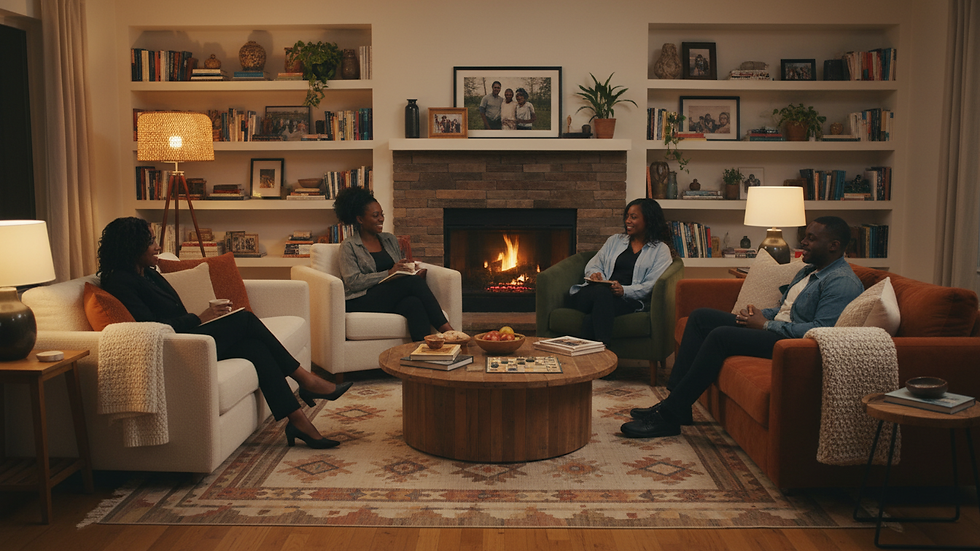
Safe spaces are environments where individuals feel secure, accepted, and free to express their thoughts and emotions without fear of judgment. They are crucial for mental wellness as they provide a foundation for personal growth, healing, and connection.
Characteristics of Safe Spaces
Non-judgmental Atmosphere: Individuals should feel comfortable sharing their feelings and experiences without fear of criticism.
Supportive Community: A network of people who understand and empathize with each other’s struggles fosters a sense of belonging.
Privacy and Confidentiality: Ensuring that personal information shared within the space remains confidential encourages openness.
Accessibility: Safe spaces should be easily accessible to all individuals, regardless of their background or circumstances.
Creating Safe Spaces at Home
Your home can be a sanctuary for mental wellness. Here are some practical steps to create a safe space within your living environment:
Designate a Relaxation Area
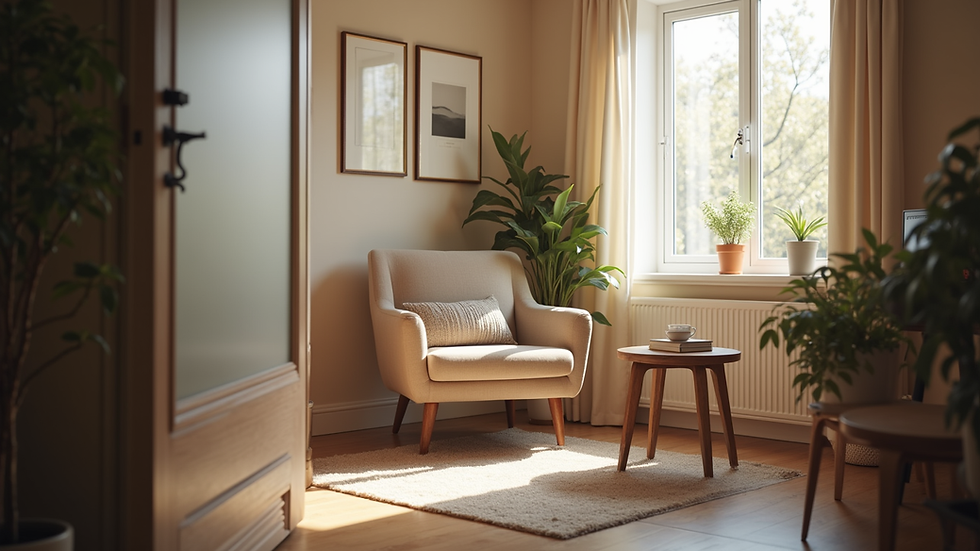
Choose a corner or room in your home where you can unwind. This space should be free from distractions and clutter. Consider adding:
Comfortable seating: A cozy chair or a soft cushion can make a big difference.
Soothing decor: Use calming colors and personal items that bring you joy.
Nature elements: Incorporate plants or natural light to enhance the atmosphere.
Establish Boundaries
Communicate your need for personal space to family members or housemates. Setting boundaries helps everyone understand when you need time to recharge.
Incorporate Mindfulness Practices
Engage in activities that promote mindfulness, such as meditation, yoga, or journaling. These practices can help center your thoughts and reduce anxiety.
Creating Safe Spaces in the Workplace
Workplaces can often be high-pressure environments. Establishing safe spaces at work can significantly enhance employee well-being and productivity.
Promote Open Communication
Encourage a culture of transparency where employees feel comfortable sharing their thoughts and concerns. This can be achieved through:
Regular check-ins: Schedule one-on-one meetings to discuss workloads and mental health.
Anonymous feedback channels: Provide a way for employees to voice concerns without fear of repercussions.
Create Relaxation Zones
Designate areas in the workplace where employees can take breaks. These zones should be quiet and comfortable, allowing for relaxation and mental recharge. Consider adding:
Quiet rooms: Spaces equipped with comfortable seating and calming decor.
Outdoor areas: If possible, create a garden or patio where employees can step outside for fresh air.
Offer Mental Health Resources
Provide access to mental health resources, such as counseling services or workshops on stress management. This shows employees that their mental wellness is a priority.
Creating Safe Spaces in the Community
Communities play a vital role in supporting mental wellness. Here are ways to foster safe spaces within your local area:
Organize Support Groups
Support groups provide a platform for individuals to share their experiences and connect with others facing similar challenges. These groups can focus on various topics, such as grief, anxiety, or parenting.
Host Community Events
Organize events that promote mental wellness, such as wellness fairs, workshops, or mindfulness retreats. These gatherings can help raise awareness and create a sense of community.
Collaborate with Local Organizations
Partner with mental health organizations to provide resources and support to community members. This collaboration can enhance the reach and effectiveness of mental wellness initiatives.
The Role of Technology in Creating Safe Spaces
In today's digital age, technology can also play a role in fostering safe spaces for mental wellness. Here are some ways to leverage technology:
Online Support Groups
Virtual support groups can connect individuals from different locations, providing a sense of community and support. These groups can be particularly beneficial for those who may feel isolated.
Mental Health Apps
There are numerous apps available that promote mental wellness through guided meditations, mood tracking, and journaling. These tools can help individuals manage their mental health more effectively.
Social Media Awareness Campaigns
Use social media platforms to raise awareness about mental health issues and promote safe spaces. Sharing personal stories and resources can help reduce stigma and encourage others to seek help.
Overcoming Challenges in Creating Safe Spaces
While creating safe spaces is essential, it can come with challenges. Here are some common obstacles and how to overcome them:
Stigma Surrounding Mental Health
Many individuals may hesitate to engage in discussions about mental health due to stigma. To combat this, focus on education and awareness. Share information about mental health and its importance to normalize conversations.
Lack of Resources
In some cases, communities may lack the resources needed to create safe spaces. Collaborate with local organizations, businesses, and volunteers to pool resources and create impactful initiatives.
Resistance to Change
Some individuals may resist the idea of creating safe spaces, viewing them as unnecessary. To address this, highlight the benefits of mental wellness, such as improved productivity, better relationships, and overall happiness.
Conclusion
Creating safe spaces for mental wellness and growth is a vital step toward fostering a healthier society. By establishing supportive environments at home, in the workplace, and within the community, we can help individuals feel valued and understood. Remember, mental wellness is a journey, and every effort counts. Start small, be consistent, and encourage others to join you in this important mission. Together, we can create a world where everyone feels safe to express themselves and grow.

Comments